
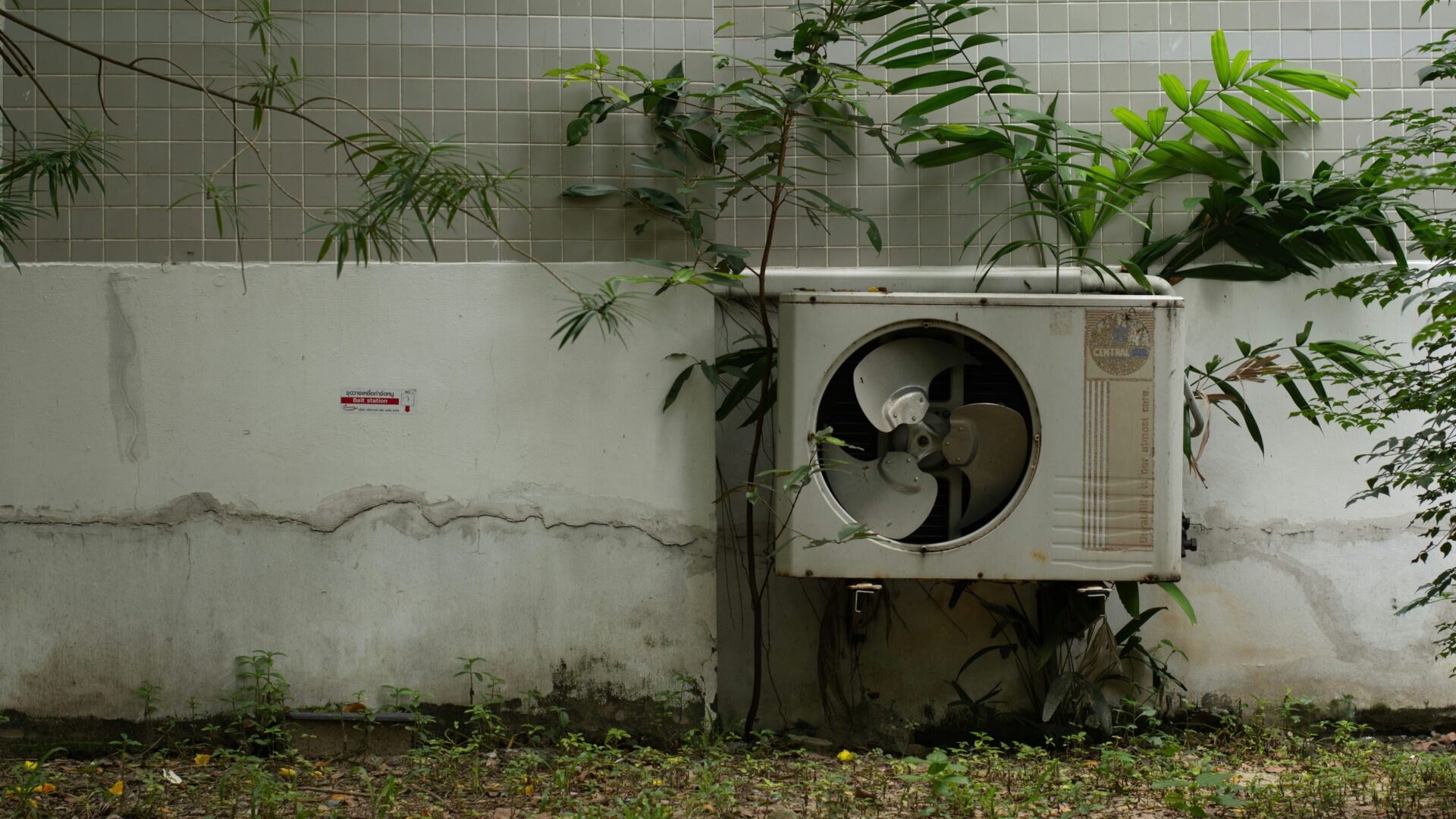
The HVAC (Heating, Ventilation, and Air Conditioning) system plays a crucial role in maintaining a comfortable and healthy living environment in your home. During a home inspection, the HVAC system is thoroughly evaluated to ensure it functions properly, efficiently, and safely. This article will explore what home inspectors look for when assessing HVAC systems and why these checks are essential for prospective buyers and homeowners alike.
1. Overview of HVAC Systems
HVAC systems encompass various components that work together to provide heating, cooling, and ventilation. Understanding these components can help you appreciate what inspectors assess during an inspection:
- Heating Systems: This includes furnaces, boilers, and heat pumps. Inspectors check for functionality, efficiency, and safety features.
- Cooling Systems: Central air conditioning units and ductless mini-split systems are evaluated for proper operation and cooling efficiency.
- Ventilation Systems: Proper airflow and ventilation are critical for maintaining indoor air quality. Inspectors assess ducts, vents, and exhaust systems to ensure they are clean and functional.
2. What Inspectors Check in HVAC Systems
Heating Equipment
Inspectors pay close attention to the heating equipment, as it is essential for keeping the home warm during colder months. Here’s what they typically check:
- Furnace or Boiler Condition: Inspectors look for rust, corrosion, and signs of wear and tear. They will also check the age of the unit, as older systems may be less efficient and more prone to failure.
- Ventilation and Exhaust Systems: Proper venting is crucial for safety, as it prevents the buildup of dangerous gases like carbon monoxide. Inspectors ensure that exhaust flues are clear and securely connected.
- Thermostat Functionality: Inspectors test the thermostat to ensure it accurately controls the heating system. A malfunctioning thermostat can lead to inefficient heating and higher energy bills.
Cooling Equipment
For cooling systems, inspectors evaluate:
- Air Conditioning Units: Inspectors check the outdoor condenser unit for damage, debris, and proper clearance from surrounding structures. They also look at the indoor components for any leaks or wear.
- Ductwork: Properly insulated and sealed ductwork is vital for efficient cooling. Inspectors examine ducts for signs of leaks, blockages, or mold growth, which can affect indoor air quality.
Ventilation Systems
Ventilation is key to maintaining indoor air quality and comfort. Inspectors check:
- Air Filters: Inspectors assess the condition of air filters and ensure they are clean and properly sized. Clogged filters can restrict airflow and reduce system efficiency.
- Ventilation Fans: Exhaust fans in kitchens and bathrooms should be functioning properly to eliminate moisture and odors. Inspectors verify that these fans are vented to the exterior.
3. Common HVAC Issues Found During Inspections
Home inspectors often encounter several common issues related to HVAC systems, including:
- Age of the System: Older HVAC systems may be less efficient and require more frequent repairs. Inspectors will note the age and recommend replacement if necessary.
- Lack of Maintenance: Poorly maintained systems can lead to increased wear and tear, reduced efficiency, and costly repairs. Inspectors may recommend regular maintenance, such as cleaning and servicing the system.
- Improper Installation: Systems that are improperly sized, installed, or ducted can result in inefficiencies and discomfort. Inspectors will check for compliance with local codes and standards.
4. The Importance of HVAC Inspections
For both buyers and sellers, understanding the condition of the HVAC system is critical. Here are some reasons why HVAC inspections are important:
- Safety: A malfunctioning HVAC system can pose safety risks, such as carbon monoxide leaks or electrical hazards. Identifying these issues early can prevent serious accidents.
- Energy Efficiency: An inefficient HVAC system can lead to higher utility bills. Knowing the system’s condition allows homeowners to make informed decisions about repairs or replacements.
- Comfort: A properly functioning HVAC system ensures that the home remains comfortable throughout the year. Inspections help identify areas for improvement, such as inadequate insulation or ventilation.
5. Conclusion: The Role of HVAC in Home Inspections
The HVAC system is a vital component of any home, directly impacting comfort, safety, and energy efficiency. During a home inspection, HVAC systems are thoroughly evaluated to ensure they operate correctly and meet safety standards. For prospective buyers, understanding the condition of the HVAC system can provide peace of mind and help avoid unexpected repairs in the future.
In summary, whether you’re buying, selling, or simply maintaining your home, paying close attention to the HVAC system is essential for ensuring a safe and comfortable living environment. Regular inspections and maintenance can keep your HVAC system running efficiently and prolong its lifespan, ultimately enhancing the overall value of your home.